You open a browser game for a break, then spend half your break figuring out whether the game is actually right for your current energy level. The fix is simple: choose by mental load first, not by genre label. This checklist helps you decide in under one minute whether you need a low-focus reset, a medium-focus challenge, or a high-focus run.
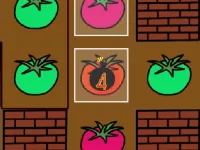
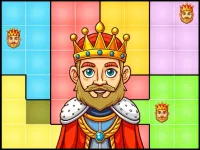
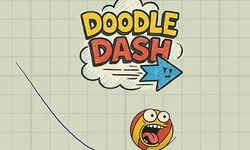
If you only have 5 minutes and your brain feels noisy, start with Paint Tomato. If you want a calmer logic loop with no timer pressure, choose Kingdom Puzzles. If you want momentum and quick reactions, jump into Doodle Dash.
If you want a broader category scan before choosing, browse Hypercasual Games, Arcade Games, and Arcade Games. If you prefer side-by-side genre guidance, this comparison post also helps: Arcade vs Puzzle vs Idle.
Why it fits: clear single objective, no complicated setup.
What makes it good: you can read the task at a glance and act immediately.
When to play: short breaks between calls, classes, or tasks where decision fatigue is high.
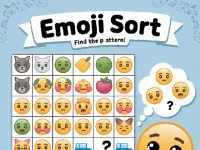
Why it fits: recognition-based play works even when concentration is low.
What makes it good: quick feedback loop and satisfying micro-wins.
When to play: when you want to keep your hands busy without heavy thinking.
Why it fits: puzzle logic is structured, so progress feels controlled.
What makes it good: each move matters, but the pace stays readable.
When to play: when you have 10-15 minutes and want a clean mental reset.
Why it fits: mixes familiarity with enough challenge to hold attention.
What makes it good: progression comes from pattern learning, not randomness alone.
When to play: when you want “active but not exhausting” gameplay after work.
Why it fits: fast movement and immediate consequence for each mistake.
What makes it good: restart friction is low, so retries feel productive.
When to play: when you’re alert and want quick adrenaline in 5-10 minute bursts.
Why it fits: higher reaction demand rewards full focus.
What makes it good: pacing ramps naturally, so tension builds in a fair way.
When to play: when you want a challenge instead of passive scrolling.
Use this simple rule before every session:
This method prevents the most common mistake: picking a game that fights your current mood. You can also cross-check with these player-first guides: What to Play When You Have 3 Minutes and One-Handed Browser Games.
If you are mentally tired, start with Paint Tomato or Emoji Sort. If you want balanced challenge, open Kingdom Puzzles. If you want intensity and replay momentum, go straight to Doodle Dash. Pick one, play for five minutes, then decide whether to stay or switch tiers. You will choose faster and enjoy the session more.
Mistake 1: You pick intensity when you are already overloaded. The result is fast frustration, not fun. Fix: start with one low-focus round first, then escalate only if your attention stabilizes.
Mistake 2: You mistake “familiar genre” for “right mood fit.” Even if you usually like arcade titles, your current energy might be better matched by puzzle rhythm. Fix: choose by energy level first, then by genre.
Mistake 3: You keep forcing one game too long. If a game feels wrong after two rounds, that signal is useful. Fix: switch tiers immediately instead of grinding.
For example, if Doodle Dash feels too sharp after work, drop to Kingdom Puzzles for ten minutes. If that feels too slow, move to Turbo Tables as a middle gear. This tier-switch approach keeps your break restorative instead of random.
Scoopory publishes short browser-game guides to add commentary that an import feed does not provide. Each post is written to answer a clear player question, explain what makes a game or category worth opening, and help readers avoid dead-end clicks in large libraries.
The editorial team updates archive pages, rewrites thin descriptions, and keeps policy links and contact paths visible so the site looks and behaves like a maintained publication rather than a disposable game shell. More about that process is documented on the editorial policy section.