A puzzle game feels worth finishing when it respects two things at the same time: your attention and your curiosity. It should give you enough information to make a real decision, but not so much that the answer feels automatic. For players who are casual, new, or returning after a long day, the best puzzle games create a steady path from confusion to clarity. You should feel that each mistake teaches something, not that the game is wasting your time.
When choosing a puzzle game on Scoopory, I recommend looking beyond the theme. A cute board, colorful tiles, or familiar word layout can help, but the stronger signal is the quality of the first few moves. If the game shows a clear goal, responds cleanly, and lets you improve through observation, it has a better chance of being worth a full session.
A strong puzzle does not need a long explanation before the player understands what to try. Line Shape Puzzle is useful because the core idea is visual. You can look at the shapes, test a move, and quickly understand the kind of thinking the game wants. That is best for players who want a quick mental challenge without reading a wall of instructions.
Compare that with a puzzle that hides its goal behind unclear icons or too many early buttons. Even if the deeper game is good, the first minute becomes work. For AdSense-quality content and for real players, that matters because the page should help people make a good choice before they click. Clear editorial descriptions and internal links support that experience.
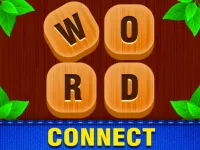
Difficulty is not just about being easy or hard. A fair puzzle gives a small hint through its structure. It shows what changed after your move, where the next opportunity might be, and why a failed attempt failed. Word Connect Crossword Puzzle works for players who enjoy language because it turns progress into visible discoveries. Each found word narrows the space and makes the next word feel possible.
If you are a beginner, choose puzzles that reveal progress often. If you are more patient, go with games that ask for several steps before the reward. The article What Makes a Puzzle Game Feel Fair goes deeper into this idea, but the short rule is simple: recommend games where the player can understand why they won or lost.
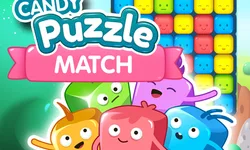
Some puzzle games add new pieces, obstacles, or layouts too quickly. That can look rich, but it often weakens the session because the player never gets comfortable with the core idea. A better approach is to build variety around one promise. Candy Match Puzzle is a good example for players who want recognizable matching logic. The pieces change, the board creates small decisions, but the player always knows what kind of thinking matters.
For a calm session, choose a puzzle where each round has a clear reason to continue. Matching, connecting, sorting, or arranging should feel like variations on a theme. If a game adds noise without adding better decisions, skip it. If the game adds a new pattern that makes you look again, go with it.
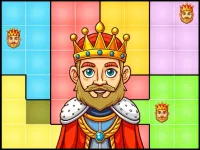
The best browser puzzles do not trap you into a long commitment. They make finishing attractive because the next step feels close. Kingdom Puzzles is a stronger pick for players who want a slower, more thoughtful session. It is not the kind of choice I would recommend for a two-minute break, but it is good when you have enough attention to settle into a chain of decisions.
If you are browsing the full Puzzle Games category, use a simple filter: can you explain the goal after ten seconds, and do you want to try again after your first mistake? If both answers are yes, the puzzle is probably worth finishing. If the game depends only on decoration, randomness, or confusion, it may not hold up.
Start with a visual puzzle when you want an instant challenge. Choose a word puzzle when you want slower concentration. Pick a match puzzle when you want familiar rules and quick rewards. Go with a deeper logic puzzle when you have a longer session. This order helps busy players avoid wasting time and helps new players find a game that fits their current patience level.
Puzzle games succeed when every move has meaning. They do not need to be complicated, but they do need to be honest. The stronger ones on Scoopory make the player feel a little sharper after a round, whether the session lasts three minutes or twenty.
Scoopory publishes short browser-game guides to add commentary that an import feed does not provide. Each post is written to answer a clear player question, explain what makes a game or category worth opening, and help readers avoid dead-end clicks in large libraries.
The editorial team updates archive pages, rewrites thin descriptions, and keeps policy links and contact paths visible so the site looks and behaves like a maintained publication rather than a disposable game shell. More about that process is documented on the editorial policy section.